The Common Amino Acid in Your Kitchen That May Be Affecting Your Immune System's Nutritional Balance

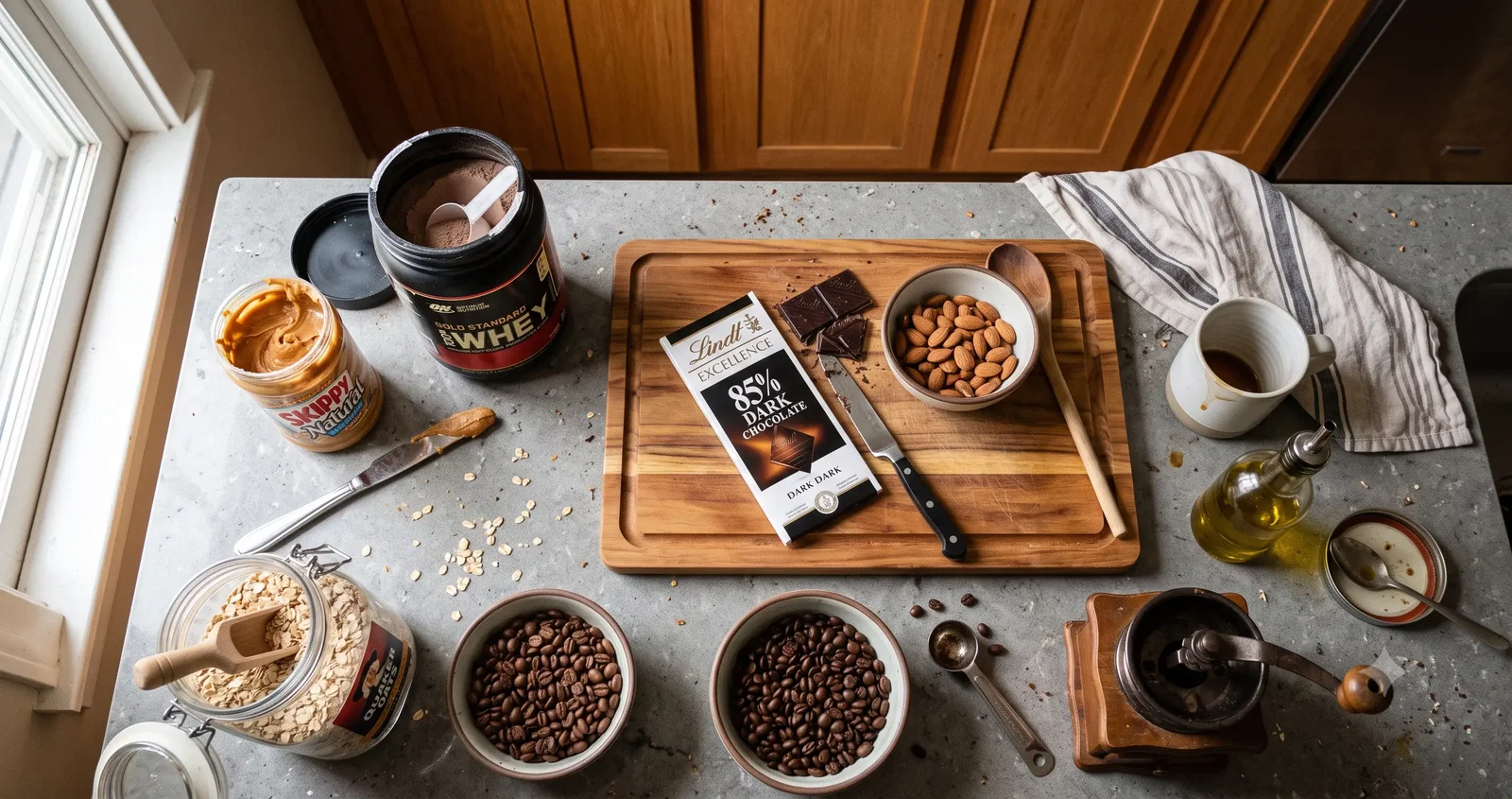
Common household foods — and how they may affect the amino acid balance your immune system depends on.
We didn't set out to write about amino acids.
We were looking into why so many otherwise healthy adults — people who eat well, exercise, and take their vitamins — still find it difficult to maintain the kind of consistent immune health they're aiming for. And almost every thread we pulled led us back to the same overlooked piece of nutritional science:
A naturally occurring amino acid called arginine, present in almost every kitchen in the Western world, that quietly competes with one of the immune system's most important nutritional building blocks.
Arginine isn't a villain. It plays important roles in circulation, wound healing, and muscle function. But for a meaningful portion of the population — particularly those looking to maintain optimal immune health — the arginine-to-lysine ratio in the modern diet has drifted into territory the body was never designed to handle consistently.
Here's what we found.
Both are amino acids. Both are essential. But they use the same intestinal transport system to enter the bloodstream — which means when arginine is abundant and lysine is low, lysine loses.1
Lysine is one of the primary nutrients the immune system draws on to maintain its defenses. When lysine availability is consistently low, immune function is consistently undermined — not dramatically, not visibly, but quietly and cumulatively over time.2
"The competitive inhibition between arginine and lysine at the intestinal transport level is well-documented. What's less appreciated is how significantly modern dietary patterns have shifted this balance."
— Dr. Neil Flodin, nutritional biochemist, writing in the Journal of the American College of Nutrition
The following are the highest-arginine foods most commonly found in everyday kitchens, and what the research suggests about their cumulative impact on the lysine balance your immune system depends on.
One of the highest arginine-to-lysine ratios of any common food. Often consumed daily by people who consider it a "healthy" choice.
A breakfast and snack staple. The arginine load per serving is among the highest of any commonly eaten food.
Marketed as heart-healthy snacks — and they are — but the arginine content is significant and rarely accounted for in daily intake calculations.
Especially plant-based blends. People taking these daily for health reasons may be unknowingly compounding an existing nutritional imbalance.
A morning staple for health-conscious eaters. Adds meaningfully to daily arginine load when eaten regularly.
Lower in isolation, but consumed in volume and often combined with chocolate or nuts, adding to cumulative daily totals.

High, from nuts, chocolate, grains, and protein powders
Adequate, from animal protein, legumes, and targeted supplementation
Most Western diets have drifted toward arginine dominance — particularly in people who eat plant-forward, snack on nuts, or use protein supplements. The immune system bears the cost quietly.
Audit your daily arginine sources. You'll be surprised by the total.
Most people consuming the foods above don't eat one of them — they eat three or four daily. A handful of almonds with morning oats, a scoop of protein powder, a square of dark chocolate in the afternoon. Individually modest. Cumulatively significant. Mapping your own daily intake takes about ten minutes and tends to be revelatory.
Increase lysine-rich foods, without eliminating what you already eat.
The goal isn't to remove arginine from your diet entirely — it plays important physiological roles. The goal is to rebalance the ratio. The easiest lever is increasing lysine-rich foods: chicken, turkey, fish, eggs, Greek yogurt, and legumes like lentils. These don't require eliminating anything — just consciously adding the other side of the equation.
Consider targeted supplementation if dietary changes alone aren't closing the gap.
For people looking to more actively support their immune health, dietary adjustments alone often don't fully shift the amino acid ratio — particularly when high-arginine foods are a consistent part of daily eating. Lysine supplementation, combined with key immune-supporting cofactors like zinc, vitamin C, and B vitamins, is an approach increasingly supported by nutritional research for those looking to address this specific imbalance.3,4
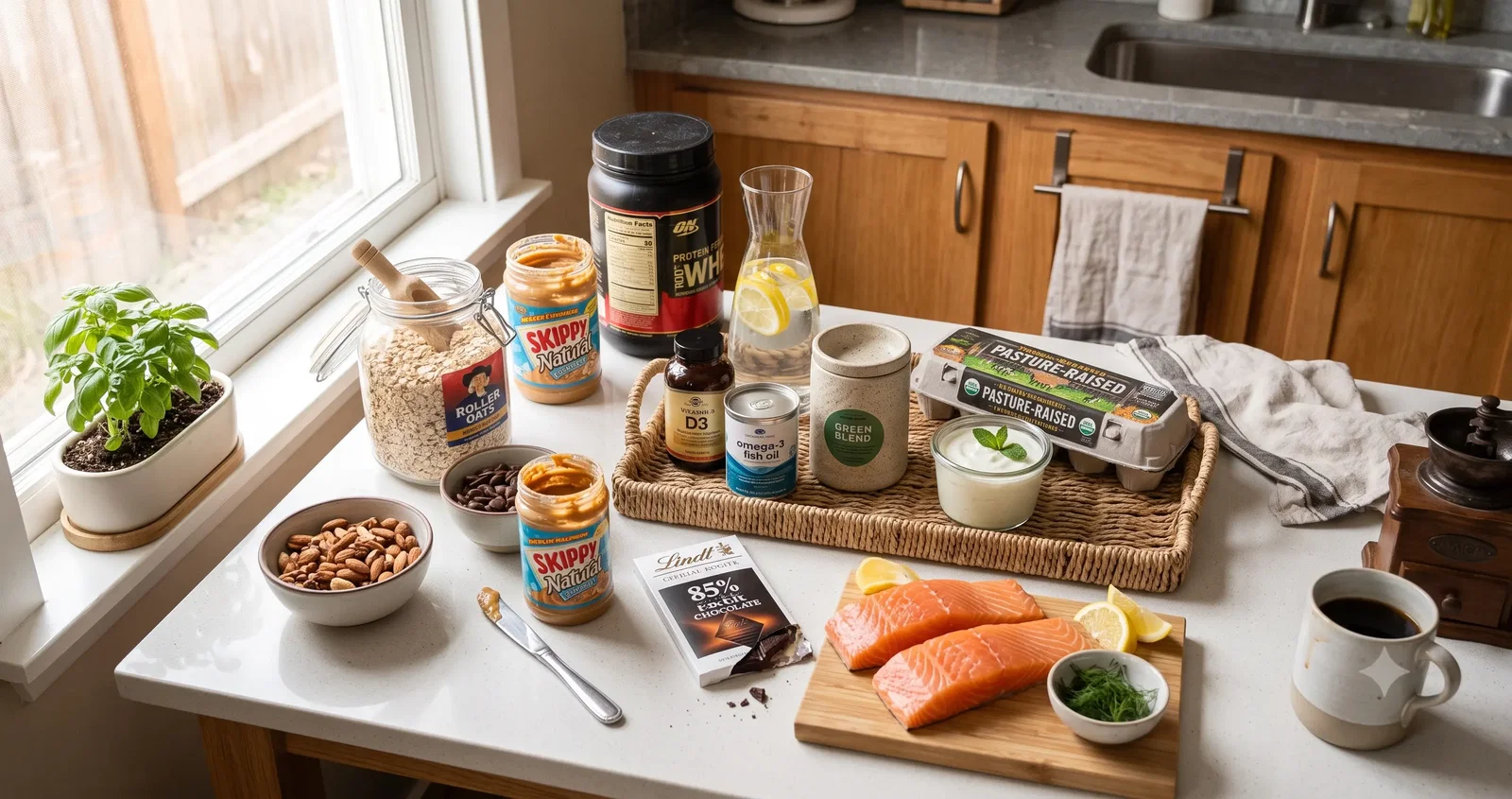
The specific nutritional stack worth considering
Not all lysine supplements are formulated with the arginine-lysine imbalance in mind. When evaluating options, nutritional researchers suggest looking for a formula that addresses the full picture — not just lysine in isolation, but the cofactors that support how the immune system actually uses it.
Key ingredients to look for per daily serving:
- L-Lysine (1,000mg+) — addresses the arginine-lysine ratio directly
- Zinc — essential cofactor for immune cell production
- Vitamin C — antioxidant support and collagen synthesis
- Vitamin B6 — supports antibody production and lymphocyte activity
- Vitamin B12 — contributes to normal immune system function
- Vitamin D3 — broad immune modulation support
Formulas combining all of these in a single daily supplement are available and represent a more complete approach than taking lysine alone.
But the right approach starts with understanding what's driving your own flare-ups. Your diet, stress levels, and daily habits all shift your arginine-lysine balance in different ways — so the first step is pinpointing your personal triggers. This short quiz walks you through it in about a minute.
Nutritional information · No purchase required
Sources & Research References
- Closs EI, et al. "Plasma membrane transporters for arginine." J Nutr. 2004;134(10 Suppl):2752S–2759S. PubMed: 15465784
- Flodin NW. "The metabolic roles, pharmacology, and toxicology of lysine." J Am Coll Nutr. 1997;16(1):7–21. PubMed: 9013434
- Civitelli R, et al. "Dietary L-lysine and calcium metabolism in humans." Nutrition. 1992;8(6):400–405. PubMed: 1486246
- Smriga M, et al. "Lysine fortification reduces anxiety and lessens stress in family members in economically weak communities in Northwest Syria." Proc Natl Acad Sci USA. 2004;101(22):8285–8288. PubMed: 15148399
- Prasad AS. "Zinc in human health: effect of zinc on immune cells." Mol Med. 2008;14(5–6):353–357. PubMed: 18385818
- Carr AC, Maggini S. "Vitamin C and Immune Function." Nutrients. 2017;9(11):1211. PubMed: 29099763